
What Does a Property Manager Do? A Complete Guide to Property Management
October 10, 2026

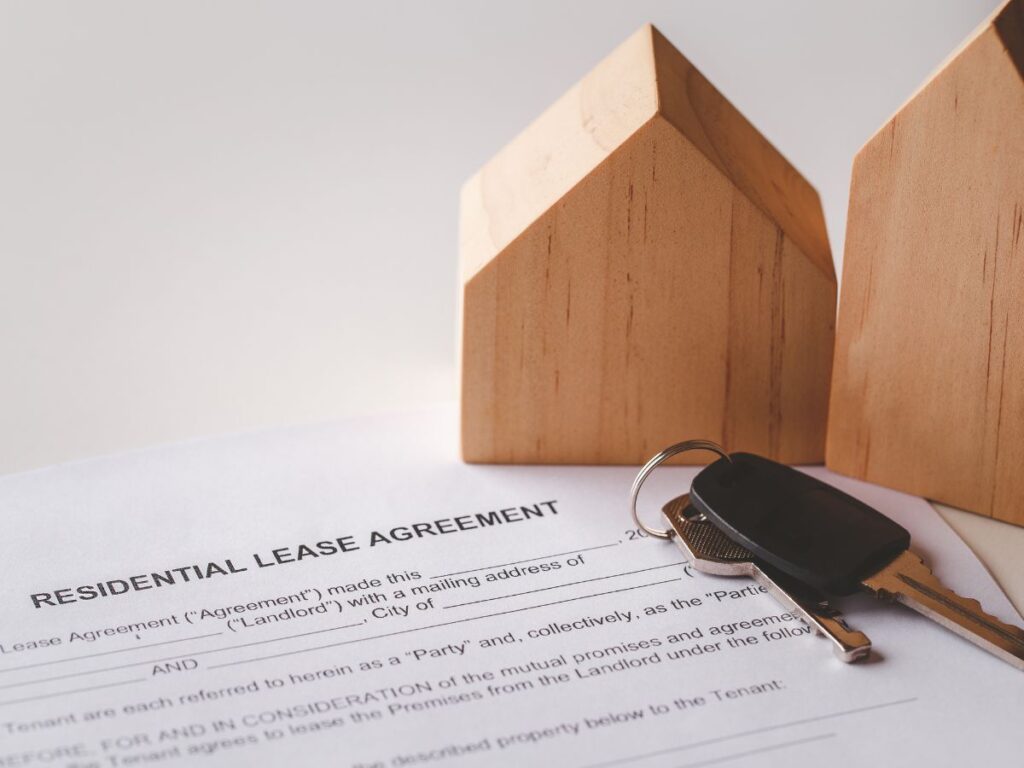
Renting out property in British Columbia means operating under a specific legal framework - the Residential Tenancy Act (RTA) - that governs nearly every part of the landlord-tenant relationship, from how a lease is written to how a tenancy can end. Most disputes and penalties landlords face don’t come from bad intentions; they come from not knowing a rule existed in the first place.
As a licensed, BCFSA-regulated property management company serving landlords across the Lower Mainland (Surrey) and the Okanagan (Kelowna, West Kelowna, Peachland, and Penticton), this is the kind of compliance detail we handle every day - but whether you self-manage or work with a professional, here’s a clear walkthrough of the core areas of BC landlord-tenant law every property owner should understand.
Every residential tenancy in BC should be documented in a written agreement that includes the names of both parties, the address, rent amount, due date, deposit amounts, and the tenancy type - fixed-term or month-to-month. Landlords must also provide tenants with the current Residential Tenancy Branch standard terms, which are automatically part of every agreement whether or not they’re written in.
A verbal agreement is still legally a tenancy in BC, but written agreements protect both parties and make disputes far easier to resolve if they arise.
Landlords can charge a security deposit of up to half a month’s rent, and - if pets are allowed - a separate pet damage deposit of up to half a month’s rent. When a tenancy ends, the landlord has 15 days to either return the deposit(s) or apply to the Residential Tenancy Branch to keep some or all of it, per RTB Policy Guideline 17. That 15-day clock starts from the later of two dates: the day the tenancy ends, or the day the landlord receives the tenant’s forwarding address in writing - unless the tenant agrees in writing to deductions.
Missing this deadline is one of the most common reasons landlords lose deposit disputes, regardless of whether damage actually occurred. A landlord who fails to act within 15 days can be ordered to repay the tenant double the deposit.
Rent increases in BC are capped annually, with the allowable percentage set by the province each year based on inflation. Landlords must give tenants proper written notice - currently three full months - using the correct Notice of Rent Increase form before an increase takes effect, and increases can only happen once every 12 months for the same tenancy.
2026 figure (update annually): The maximum allowable rent increase for 2026 is 2.3%, down from 3% in 2025. Always confirm the current year’s cap on gov.bc.ca before serving notice.
Increasing rent without following the correct notice period or exceeding the allowable amount can be disputed and reversed by the RTB, regardless of the landlord’s reasoning.
Landlords cannot enter a rental unit without proper notice, except in genuine emergencies. Standard entry - for repairs, inspections, or showings - requires at least 24 hours’ written notice stating the date, time, and reason for entry.
This is where BC tenancy law gets the most detailed, since the rules differ depending on why a tenancy is ending:
Getting the notice type, timing, or paperwork wrong is one of the most frequent reasons eviction notices get overturned, even when the underlying reason was valid. For the latest changes affecting these rules, see our breakdown of recent updates to the Residential Tenancy Act.
Landlords are legally required to maintain the property in a state that complies with health, safety, and housing standards, and to make repairs in a reasonable timeframe once notified. Tenants can apply to the RTB for an order requiring repairs - or even a rent reduction - if this obligation isn’t met.
When landlords and tenants can’t resolve an issue directly, the Residential Tenancy Branch (RTB) is the formal process for resolving it - covering everything from deposits to evictions to repair orders. Understanding this process (and ideally avoiding it through good documentation) is worth knowing before a dispute ever comes up.
BC’s tenancy laws are updated periodically, and provisions that applied a few years ago may no longer be accurate. Staying current matters - both to avoid penalties and to make sure your tenancy agreements and notices hold up if challenged. This is exactly where professional property management services earn their keep - keeping leases, notices, and deposit handling compliant as the rules evolve, so landlords in Surrey, Kelowna, West Kelowna, Peachland, and Penticton aren’t tracking every regulatory update themselves.
BC landlord-tenant law covers a lot of ground, but most of it comes down to a few consistent principles: proper documentation, correct notice periods, and fair treatment of both parties. Landlords who build these into their process from day one face far fewer disputes - and far less stress - over the life of a tenancy.
If staying on top of BC’s tenancy law feels like a full-time job on its own, that’s exactly what a licensed property manager is for. Learn how we manage properties across the Lower Mainland and Okanagan, see the cities we serve, or contact our team at Cityplex to see how we help BC landlords stay compliant without the guesswork.
October 10, 2026
October 06, 2026
September 23, 2026
September 23, 2026
September 22, 2026
September 21, 2026